Murchison Falls National Park Uganda – Murchison Falls Safaris – Murchison Falls Tours and Holiday Packages

Category: Trekking

  • The Ultimate Guide to Gorilla Trekking in Bwindi Impenetrable Forest
    The Ultimate Guide to Gorilla Trekking in Bwindi Impenetrable Forest

    The Ultimate Guide to Gorilla Trekking in Bwindi Impenetrable Forest

    Gorilla trekking in Bwindi Impenetrable Forest is one of the most extraordinary wildlife experiences in the world. Nestled in southwestern Uganda, this UNESCO World Heritage Site is home to over half of the world’s remaining mountain gorillas. If you’re planning a trip, this guide will provide you with everything you need to know for a successful and unforgettable gorilla trekking adventure.

    Why Choose Bwindi for Gorilla Trekking?

    Bwindi Impenetrable National Park offers one of the best opportunities to see mountain gorillas in their natural habitat. The park is home to over 450 gorillas, divided into multiple habituated families across four trekking sectors: Buhoma, Ruhija, Rushaga, and Nkuringo. Unlike other gorilla destinations, Bwindi’s diverse terrain, dense rainforest, and stunning biodiversity make for an immersive jungle experience.

    Best Time to Go Gorilla Trekking

    Gorilla trekking is available year-round, but the best times to visit are:

    • Dry Seasons (June to September & December to February): Trails are drier and easier to navigate, offering the best trekking conditions.
    • Wet Seasons (March to May & October to November): Fewer tourists, discounted permits, but more challenging trekking due to muddy trails.

    How to Get a Gorilla Trekking Permit

    To trek gorillas in Bwindi, you must obtain a permit from the Uganda Wildlife Authority (UWA). Here are the current permit fees:

    • $800 for foreign non-residents
    • $700 for foreign residents
    • UGX 300,000 for East African citizens

    Permits should be booked well in advance, especially during peak seasons, as availability is limited.

    What to Expect on a Gorilla Trek

    Gorilla trekking requires physical endurance as you navigate steep and dense terrain. Here’s a breakdown of what to expect:

    1. Briefing at the Park Headquarters: Your trek starts with an orientation session led by UWA rangers.
    2. Trekking Duration: Trekking can take between 1 to 6 hours, depending on the location of the gorillas.
    3. Gorilla Encounter: Once you find a gorilla family, you’ll have a magical one-hour experience observing their behaviors, interactions, and daily routines.
    4. Return Journey: After the encounter, you hike back to the park headquarters to receive a certificate of participation.

    Packing List for Gorilla Trekking

    • Sturdy hiking boots
    • Waterproof jacket & long-sleeved clothing
    • Garden gloves for gripping vegetation
    • Camera (no flash allowed)
    • Energy snacks & bottled water
    • Walking stick (provided at the park)

    Accommodation Options

    There are accommodations for every budget near Bwindi’s trekking sectors:

    • Luxury: Buhoma Lodge, Clouds Mountain Gorilla Lodge
    • Mid-Range: Mahogany Springs Lodge, Gorilla Safari Lodge
    • Budget: Buhoma Community Rest Camp, Ride 4 a Woman Guesthouse

    Responsible Gorilla Trekking

    To ensure the conservation of mountain gorillas, trekkers must follow ethical guidelines:

    • Keep a distance of at least 7 meters from the gorillas.
    • Avoid direct eye contact and sudden movements.
    • Do not trek if you are feeling sick.
    • Follow ranger instructions at all times.

    Conclusion

    Gorilla trekking in Bwindi Impenetrable Forest is a life-changing experience that connects you with one of the world’s most endangered species. By planning ahead, respecting conservation efforts, and embracing the adventure, you’ll create unforgettable memories in the heart of Uganda’s wilderness.

    Are you ready for the adventure of a lifetime? Start planning your gorilla trek today!

  • Murchison Falls Chimpanzee Tracking

    Murchison Falls Chimpanzee Tracking

    Murchison Falls Chimpanzee Tracking

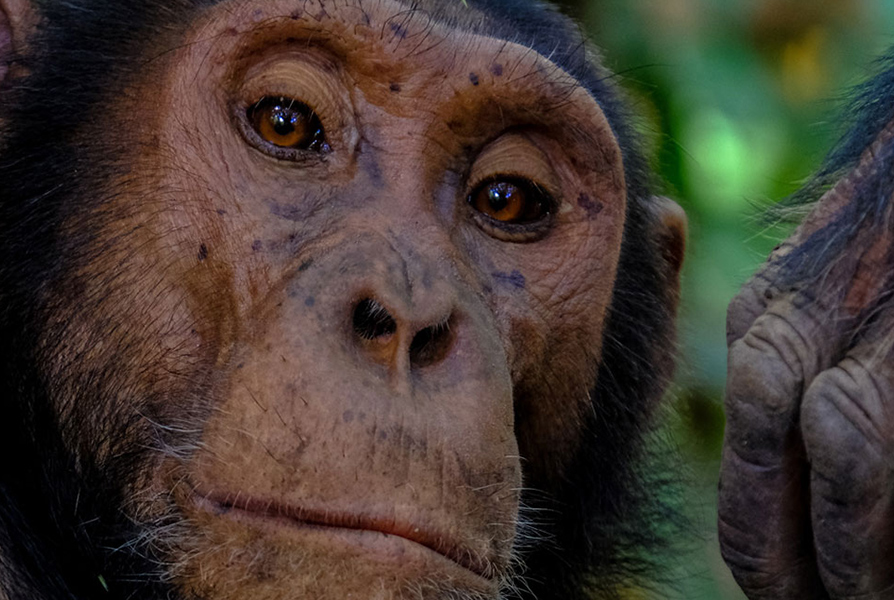
    Budongo Forest is the major base for tracking Chimpanzees in Murchison Falls National Park. It covers an area of 825 square kilometers within the MFCA. Chimpanzee tracking in the forest is handled at the Kaniyo Pabidi and Busingiro eco tourism sites under the Jane Goodall Institute. Other forests within the conservation area for Murchison Falls Chimpanzee tracking are Kaniyo Pabidi and Rabongo forests

    It would be a cold early morning or late afternoon (depending on the visitor’s preference) for travelers embarking on a Uganda safari Murchison falls National Park to track Chimpanzees in the wild. There are about 76 mammal species within the park and out of these; over 600 chimps exist within the riparian forests and woodland of Budongo, kaniyo Pabidi and Rabongo.

    When to go

    The morning Murchison Falls chimpanzee tracking adventures are perfect for catching the primates off guard, leaving their nests for the day to gather fruit and go about their day to day activities. Trackers, in a group of eight individuals per shift, would first attend a briefing about how they ought to behave in the presence of the Chimpanzees and what regulations they ought to observe.

    Led by a UWA guide, the group emerges from the tourism center making their way through enormous Mahogany and iron wood trees until they come to where the chimps have been holding up for the previous night. Budongo forest along with Kaniyo Pabidi and Rabongo form the world’s largest collection of East African Mahogany. You might even see a large Mahogany 20m wide and 80m tall in Budongo.

    What to expect

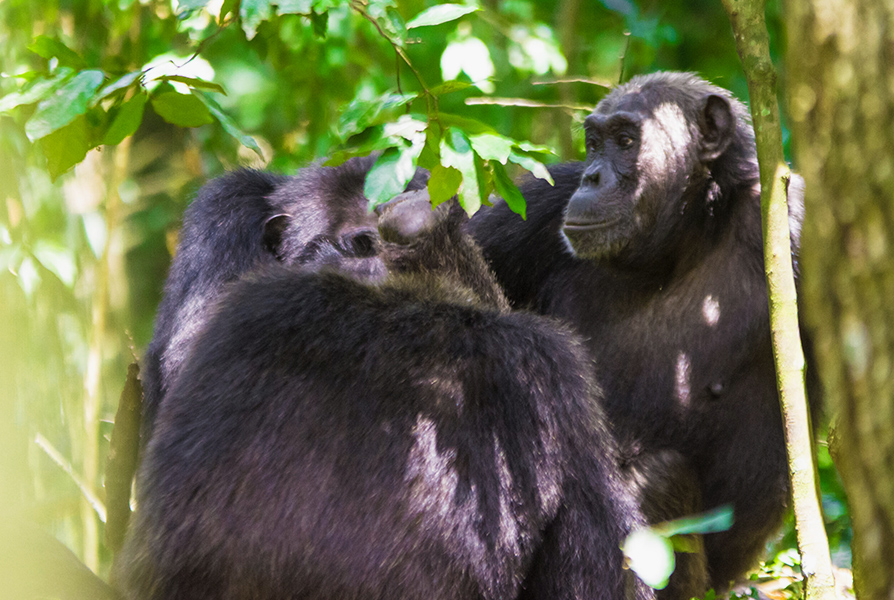
    Once you have come within close proximity with the Chimpanzees, you will be required to remain vigilant as these lively primates tend to swing from tree to tree and might be gone before you take your picture. Camera lenses are always turned off and sudden movements are ill advised. After your Murchison Falls Chimpanzee tracking, you can head back to the tourism center to close the day.

    A Uganda safari Murchison Falls National Park to track Chimpanzees in the wild is best done from the months of October to January where the rains are light and the fruits in the forest are ripe and we know where there are ripe fruits, there will be Chimpanzees. A Chimpanzee tracking permit costs USD $85 and it comes with bonus bird watching and nature walk safaris.

    Owing to the fact that the park has 76 mammal species and there are about 24 species in Budongo alone, you should definitely expect to see a variety of animals when Murchison Falls Chimpanzee tracking, apart from just the Chimpanzees. You might come across animals like Olive Baboons, White and black Colobus monkeys, red tailed monkeys and blue monkeys among others.

    The forests also provide memorable birding opportunities with sightings of rare birds like Puvel’s Illadopsis that you will not see anywhere else in Uganda. Other birds include; Crested Guinea fowl, Chocolate backed kingfisher, Crowned Eagle, African Pied wagtail, White thighed hornbill, Black Kite, Fork tailed drongo and Olive breasted greenbul among many other birds.

    Chimpanzee habituation

    Chimpanzee habituation on the other hand is less common and irregular for Uganda safari Murchison Falls National Park. The activity is undertaken during the low seasons for safari and permit costs are often higher than those for Chimpanzee tracking. Chimpanzee habituation is mainly about spending a day with the chimps from when they leave their nests in the morning to when they retire for the night.

    It is imperative to take heed of the rules governing Murchison Falls Chimpanzee tracking such as; trackers should be 15 years and older hence all persons below the age limit will be prohibited from attending the experience. In fact, where suspicion arises you might be required to present birth verification details to prove that the teenager is 15 years and older.

    Also, only eight people per session are issued permits thus making it a total of 16 people per day therefore; you would need to book for your permit prior to your safari to avoid any inconveniences and disappointments. In addition, permit prices change whereby they are higher during peak seasons and lower during low seasons. Low season permits might even come with bonuses and discounts.