Travelmonke is a Uganda-based destination management organisation built around one park first: Murchison Falls. Game drives across Big Five savanna, a Nile boat cruise beneath Africa's most powerful waterfall, and primate trekking — all planned and run by the people who actually operate it.
Murchison Falls National Park is Uganda's oldest and largest protected area — and the park most first-time visitors build their whole Uganda safari around.
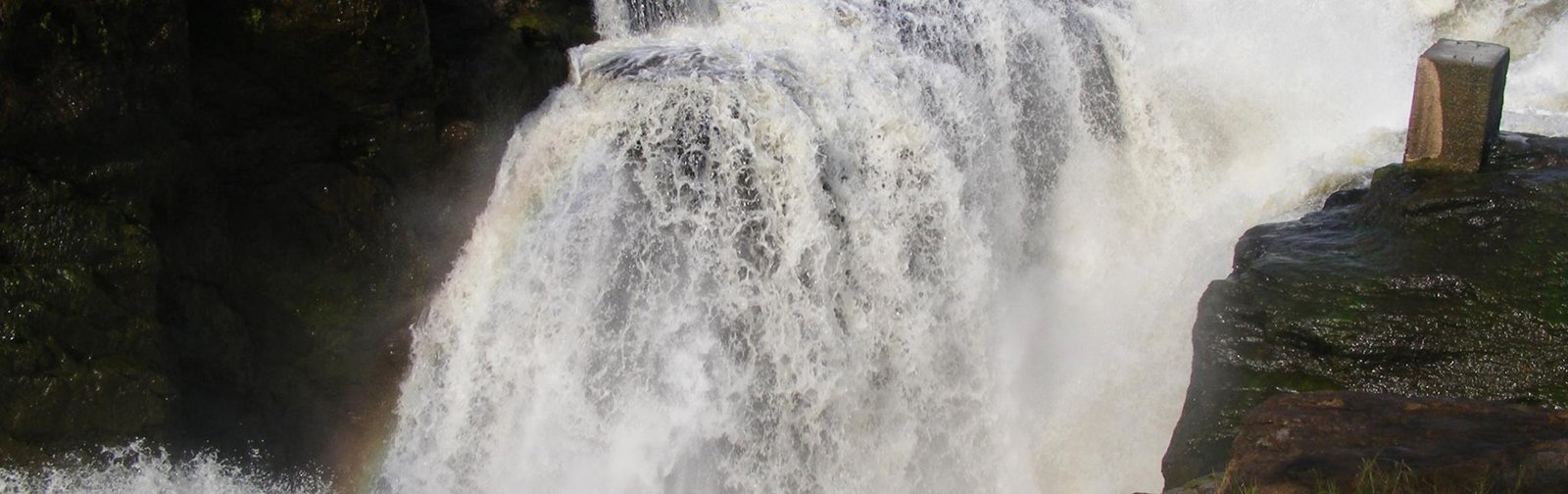
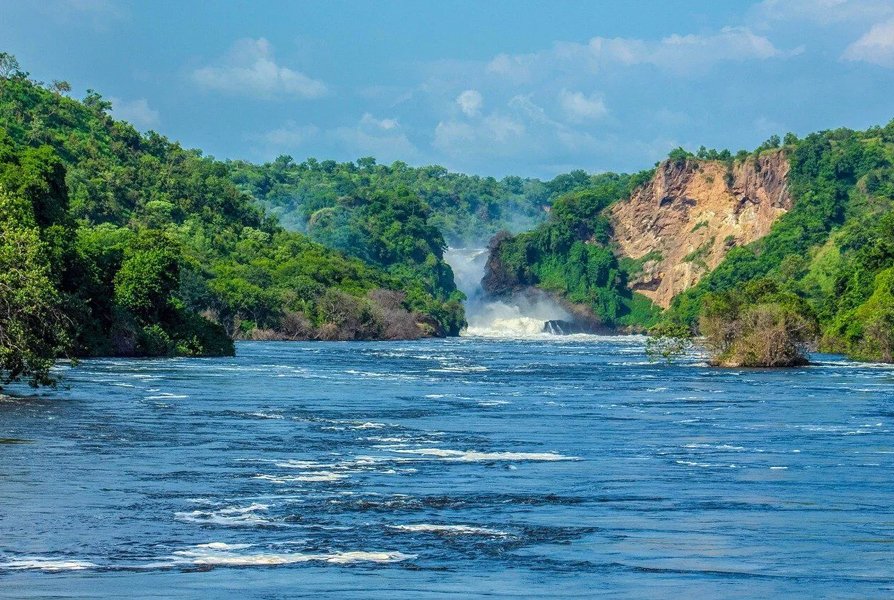
The entire Victoria Nile is forced through a 7-metre gorge before dropping 43 metres into the plains — the most powerful waterfall by water volume on earth.
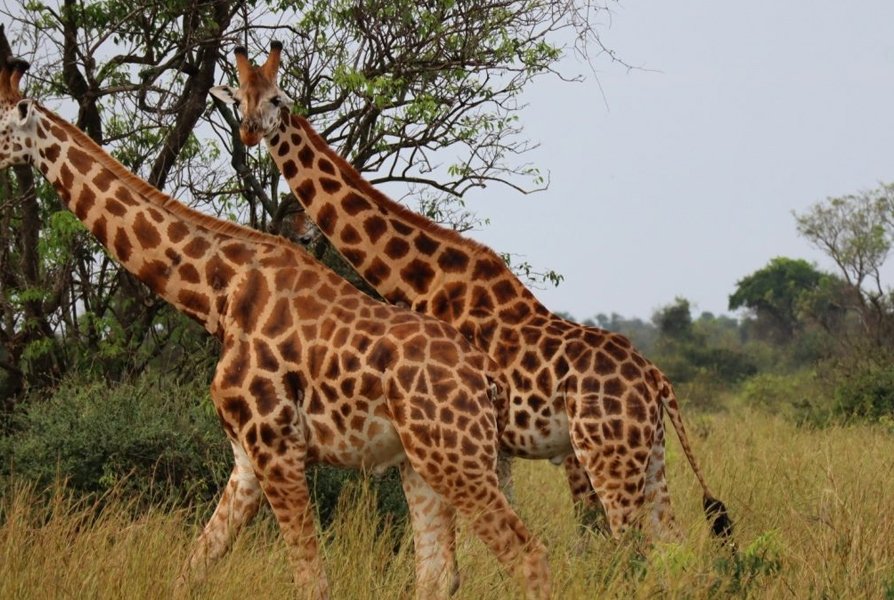
The savanna north of the river holds Uganda's strongest concentrations of lions, elephants, and buffalo, plus the world's largest population of Rothschild's giraffe.
Few Uganda safaris let you combine savanna game viewing with a genuine river safari — dense hippo and crocodile populations, plus prime shoebill stork habitat.
The falls take their name from an 1864 expedition: British explorer Samuel Baker charted this stretch of the Nile and named the falls after Sir Roderick Murchison, then president of the Royal Geographical Society and the man who funded his journey — a geologist who, notably, never once set foot here himself.
In the 1970s, Ugandan dictator Idi Amin renamed the park Kabalega and closed it to the public as his private hunting ground. The name reverted after his fall, though you'll still hear locals and older maps refer to it as Kabalega National Park — same place, same falls.
Look closely from the top viewpoint and you'll spot a second waterfall beside the main one: Uhuru (Freedom) Falls, which didn't exist until exceptionally heavy rains carved it open in 1962. Geologists expect the island between the two to erode away entirely within a few decades, eventually leaving one single waterfall.
Read the Full Story
All 9 itineraries, from a short 2-day essentials trip to the full 15-day Uganda circuit. Every trip can be adjusted for pace, budget, and add-ons.
The shortest way to experience Murchison Falls properly — one game drive, one Nile boat cruise, and the falls, without cutting corners.
The classic first-timer itinerary — two full game drives plus the boat cruise and falls, at a more relaxed pace.
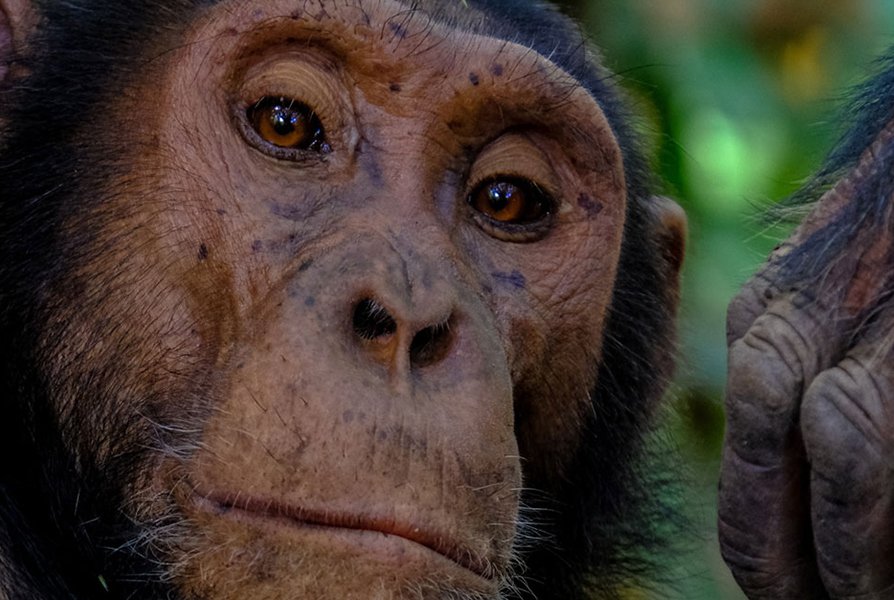
Adds a full day of chimpanzee trekking in Budongo Forest to the standard game-drive-and-boat-cruise combination.
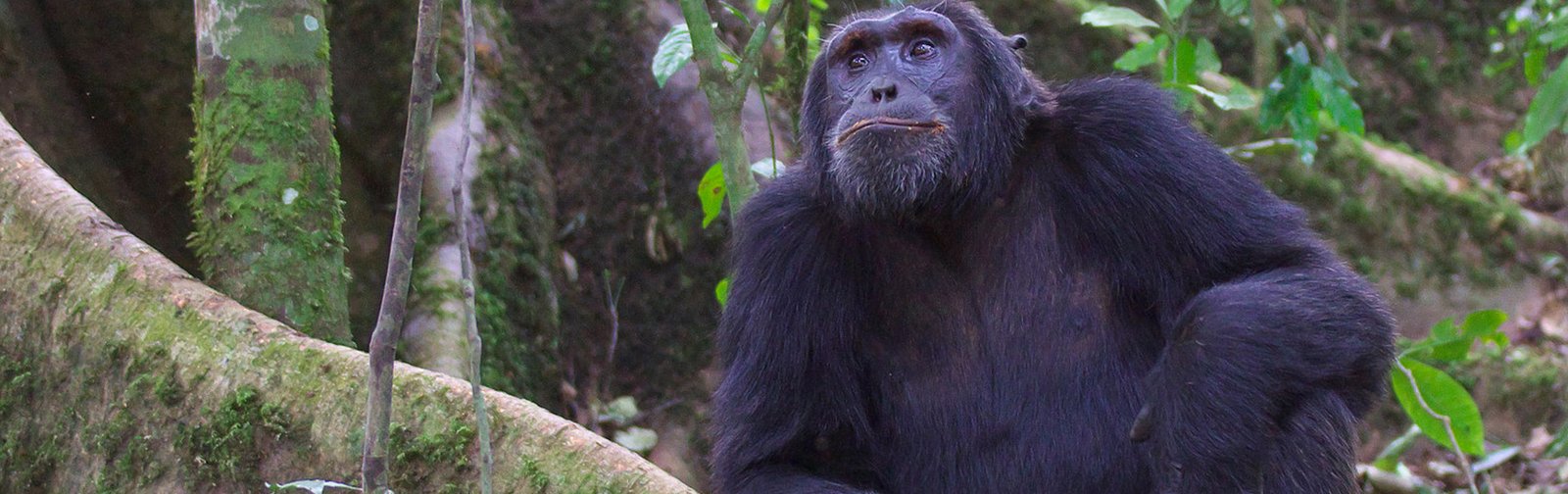
Pairs Murchison Falls with Kibale National Park — Uganda's primate capital and the country's strongest chimp trekking.
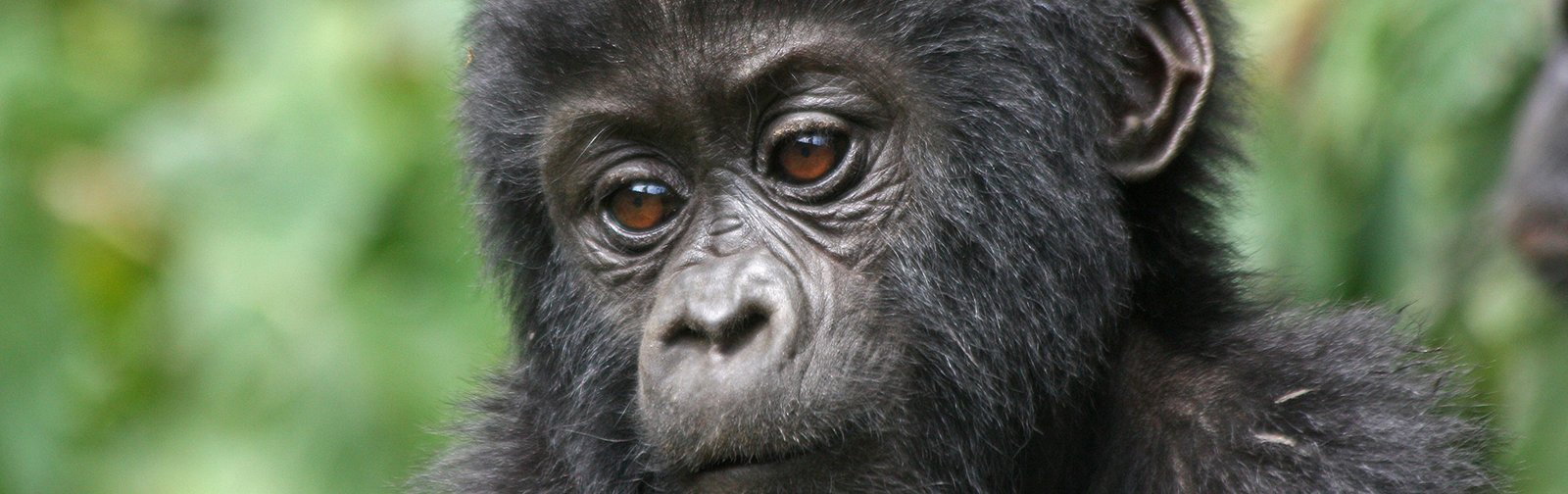
Flight-assisted route connecting Murchison Falls Big Five wildlife with mountain gorilla trekking in Bwindi, in under a week.
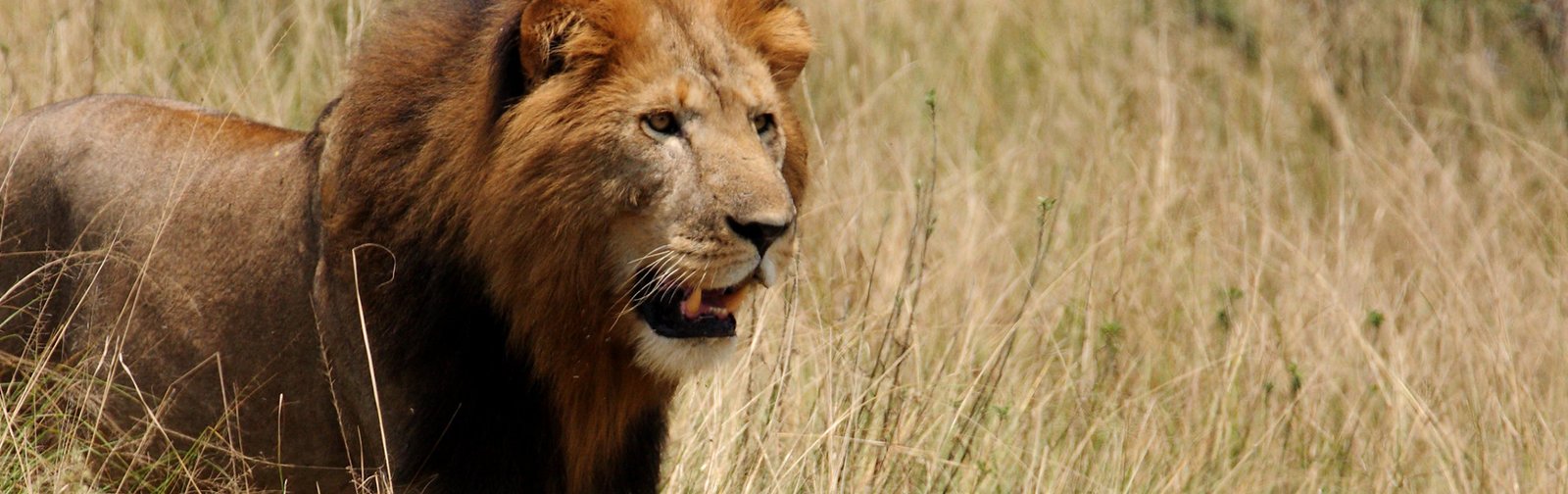
Completes the Big Five by combining Murchison Falls with Queen Elizabeth National Park — no gorilla trekking required.
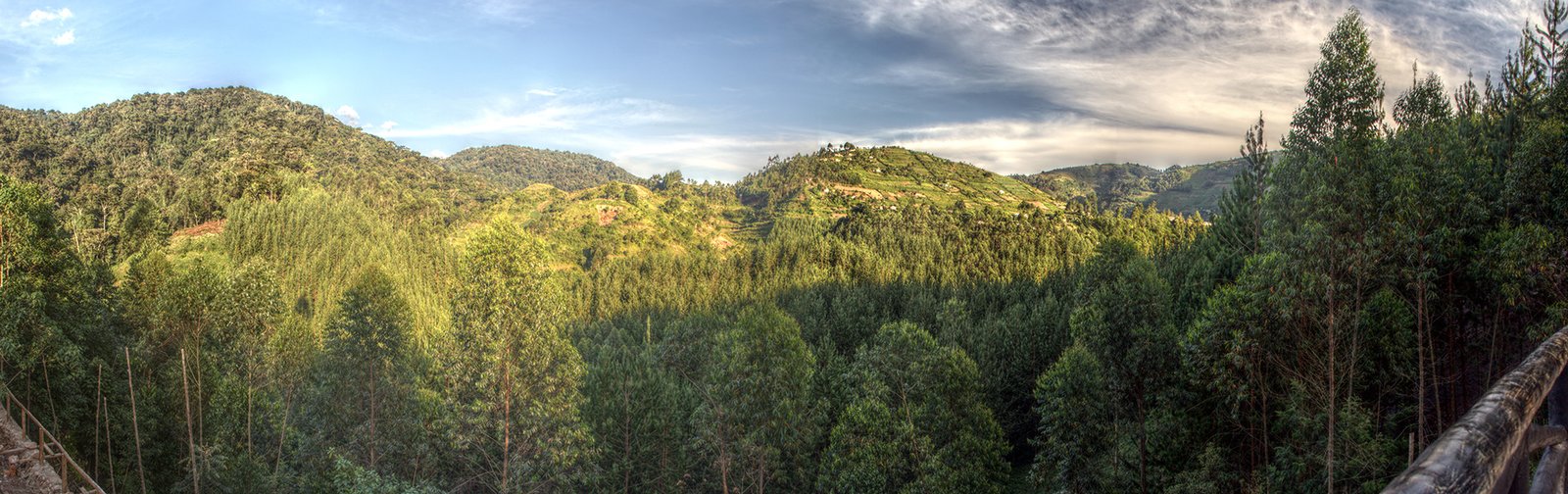
The road-based route to Bwindi — Murchison Falls, Budongo chimps, and mountain gorilla trekking in one overland circuit.
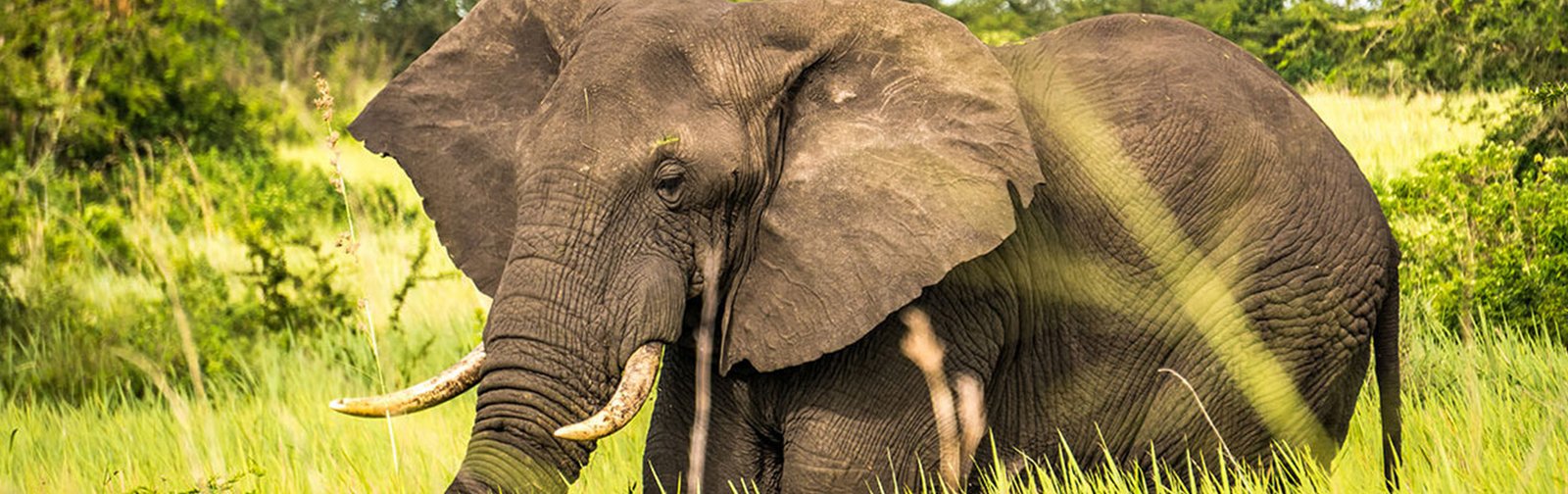
The full four-park circuit — Murchison Falls, Kibale, Queen Elizabeth, and Bwindi, with the complete Big Five and both headline primates.
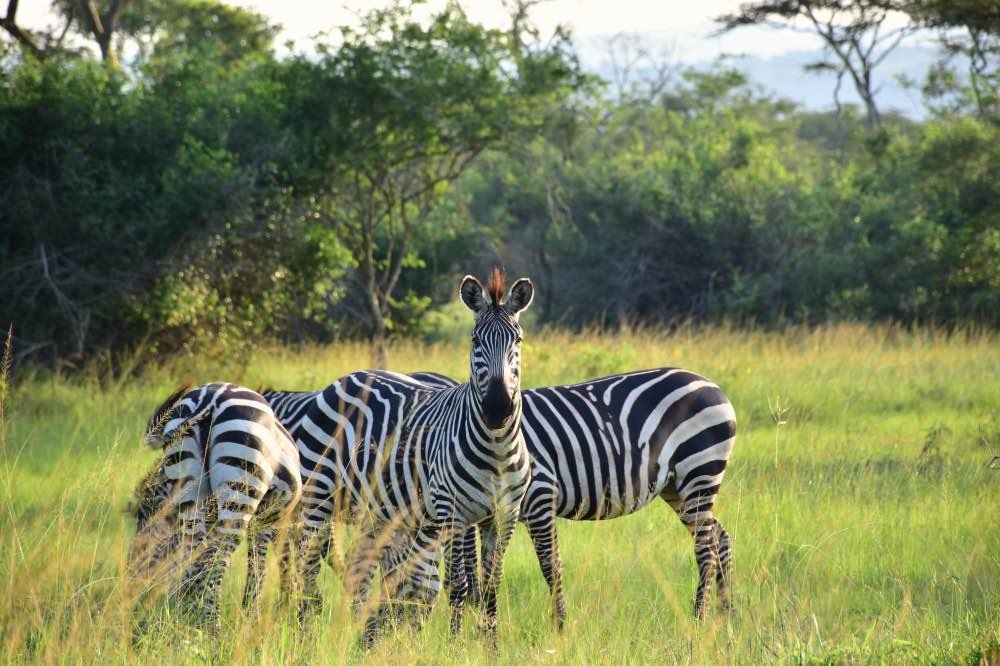
The grand tour — four parks, gorillas and chimps, a Lake Bunyonyi rest stop, and a Ssese Islands beach finish.
A few facts worth knowing before your Murchison Falls safari — the kind of detail that makes the trip more than just a wildlife checklist.
Gazetted as a game reserve in 1926, Murchison Falls is Uganda's oldest protected area — and, at roughly 3,893 km², still its largest.
A 520-metre bridge at Paraa now spans the river where the old ferry once ran, cutting crossing times for north-bank game drives — ask us about current north-bank access when you book.
The 1951 film The African Queen, starring Humphrey Bogart, was shot on Lake Albert and the Nile right here — and Ernest Hemingway survived a real plane crash near the falls in 1954.
They walk along the riverbed and push off to breathe every few minutes — one of many things a guide points out on the boat cruise that you'd never guess from the bank.
Still, on a Travelmonke game drive, it rarely feels crowded — the park's size means sightings are yours, not shared with a line of vehicles.
Sir Roderick Murchison funded the expedition that found these falls but never travelled to Uganda to see them himself.
Every Murchison Falls safari is built from the same core set of activities — browse through each one below to see what a typical day looks like.
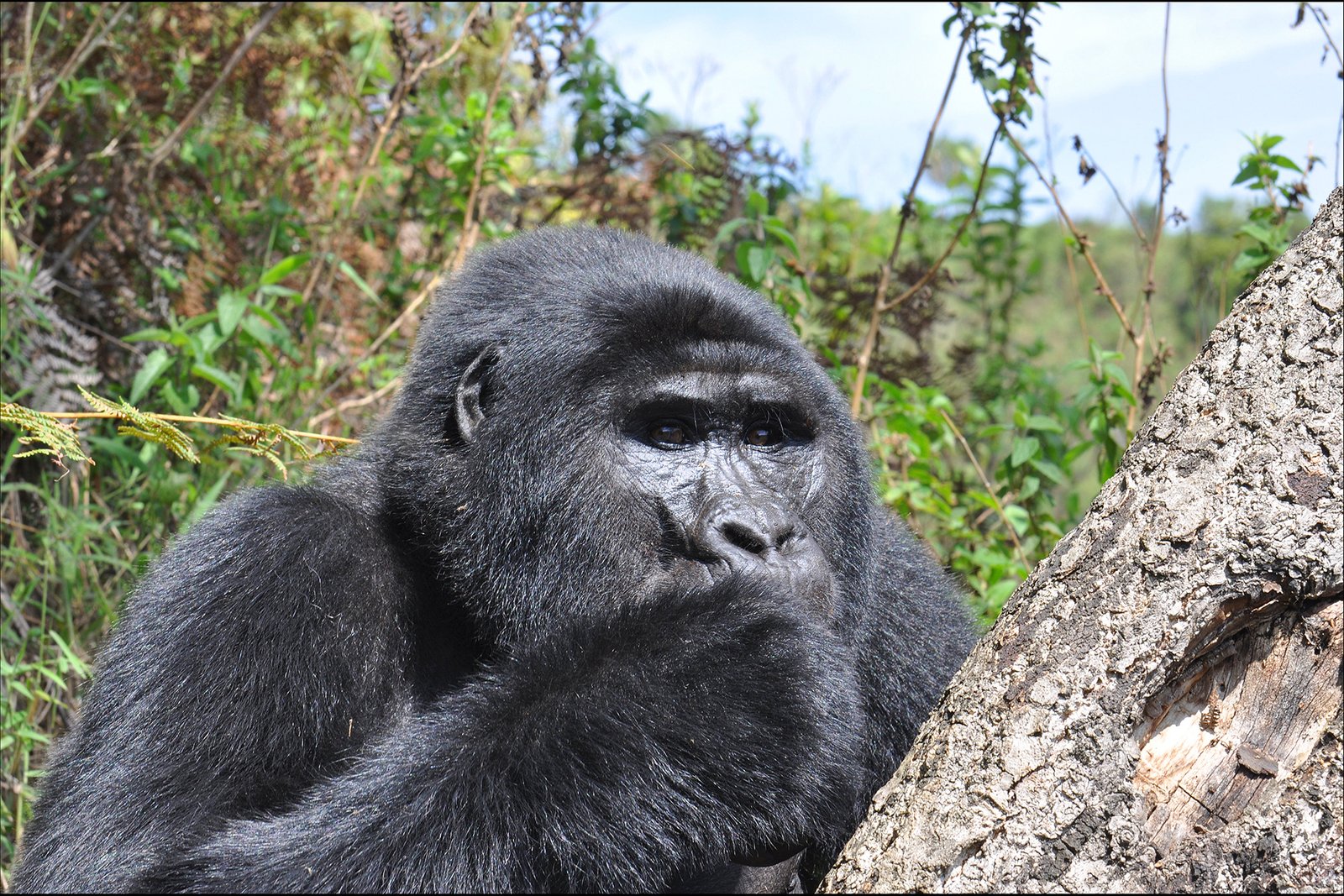
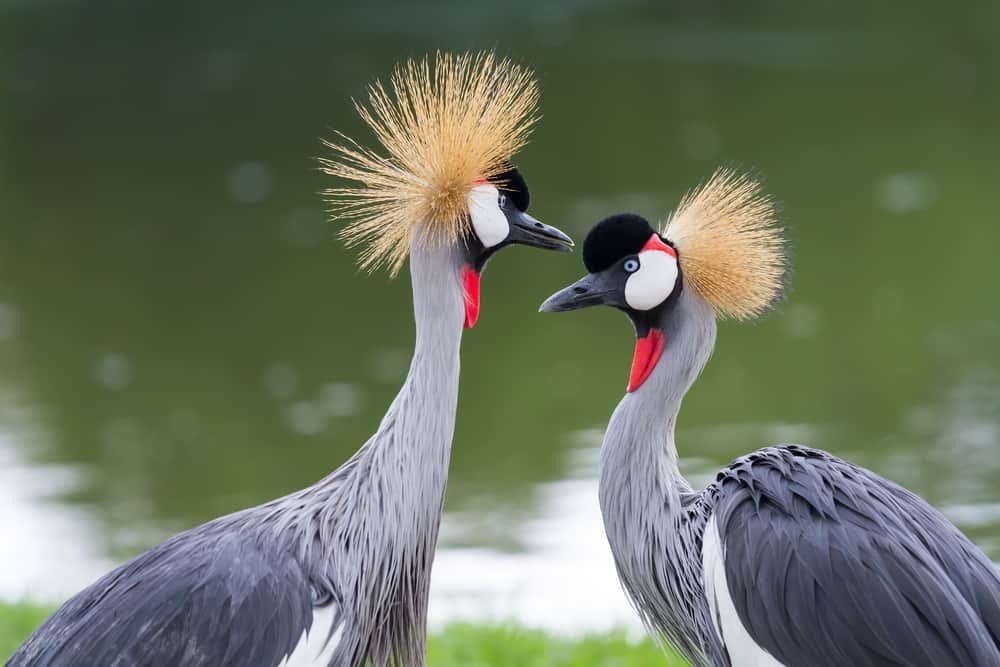
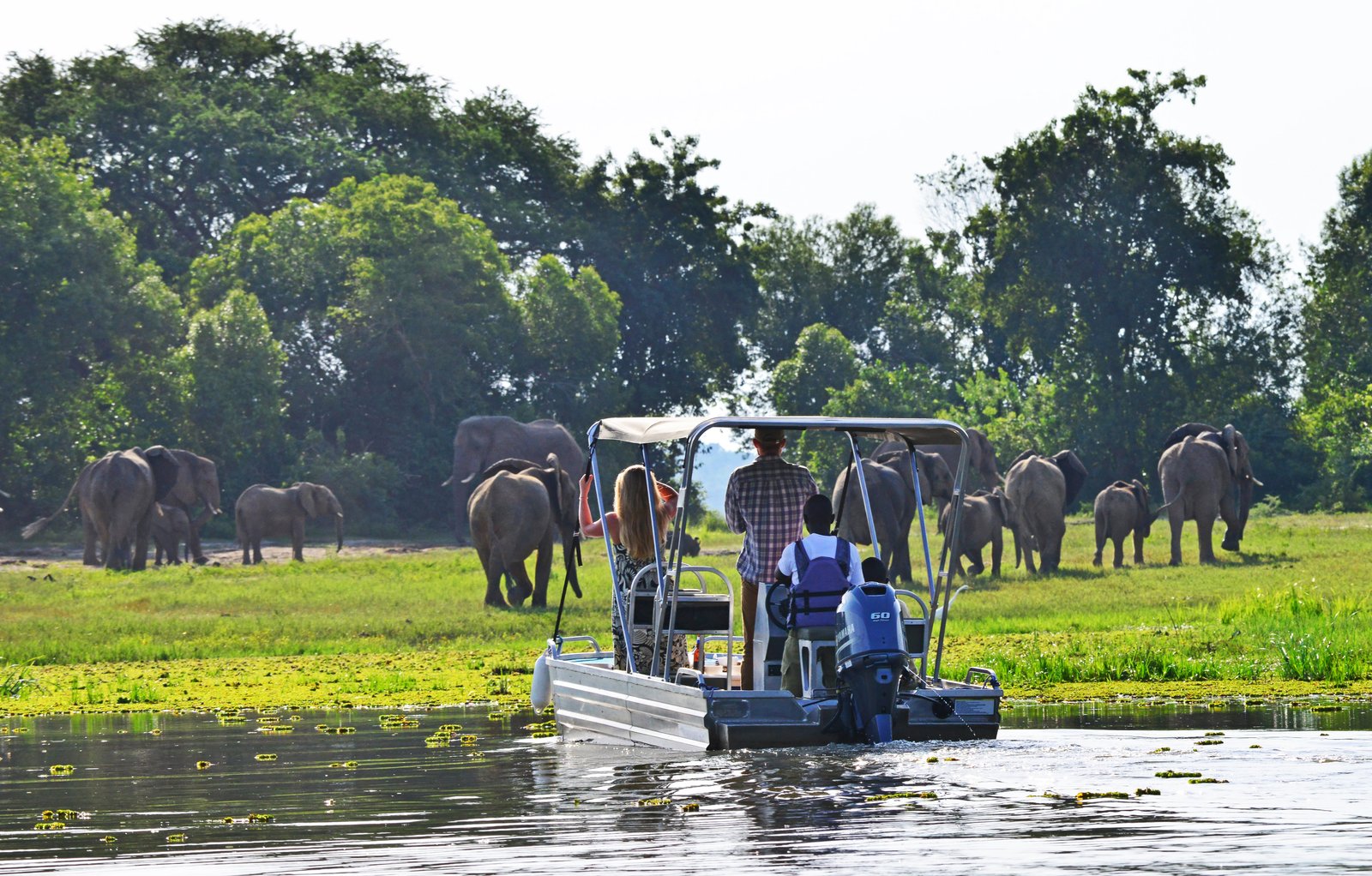
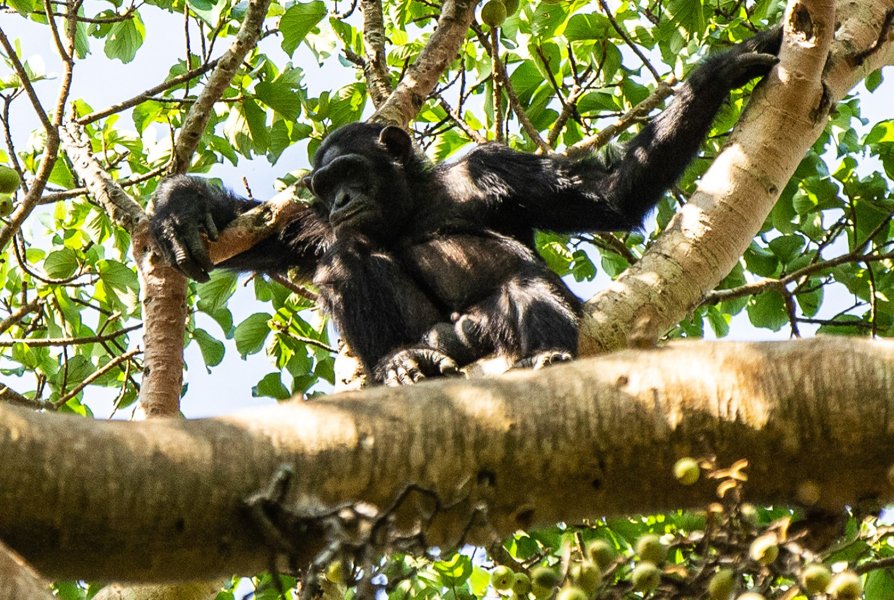
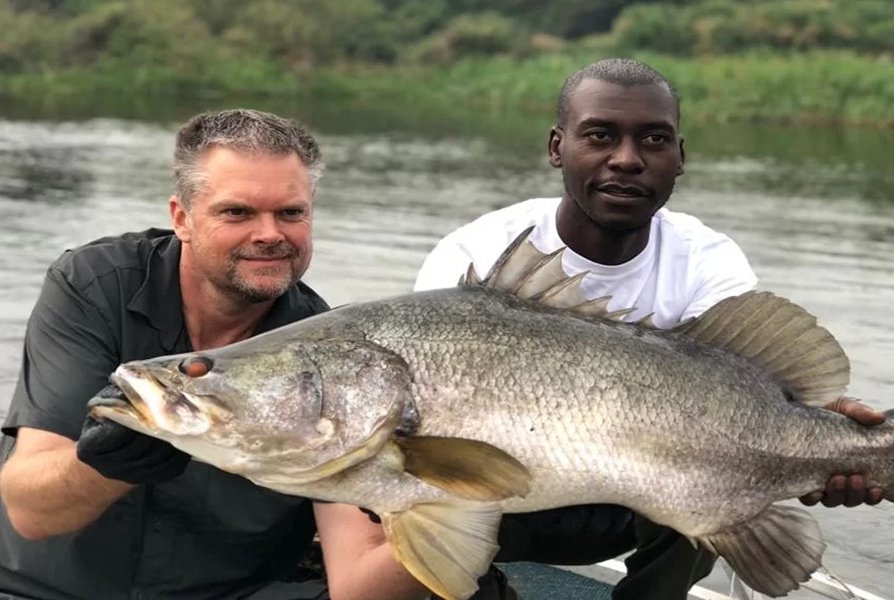
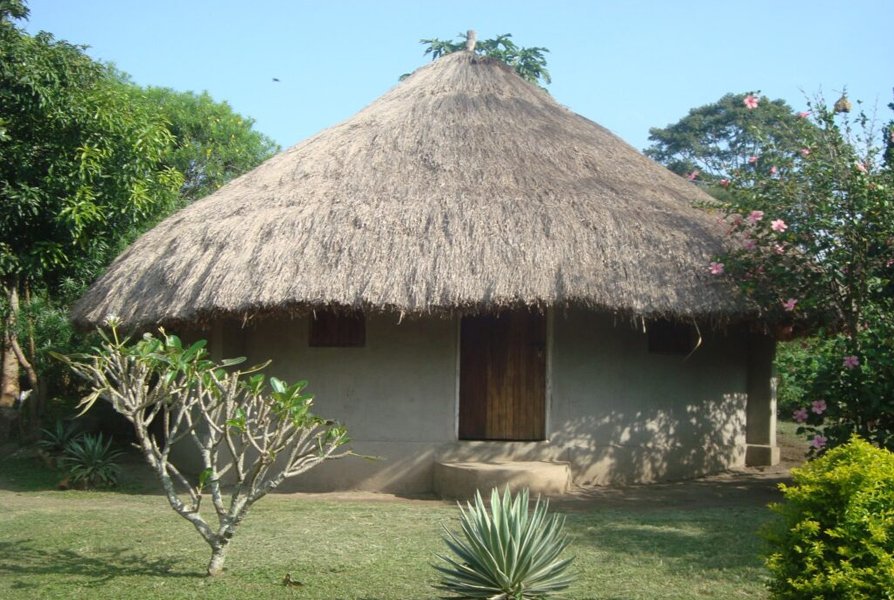
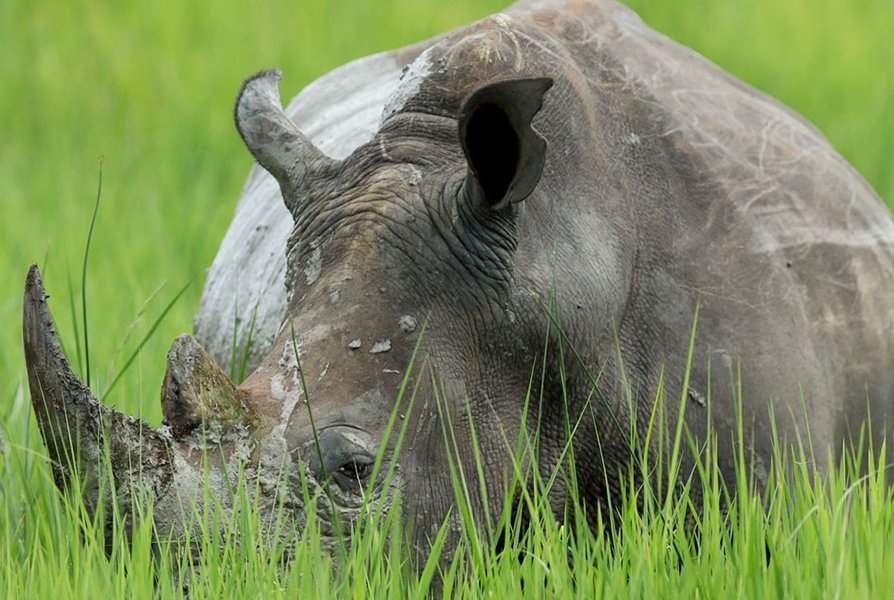
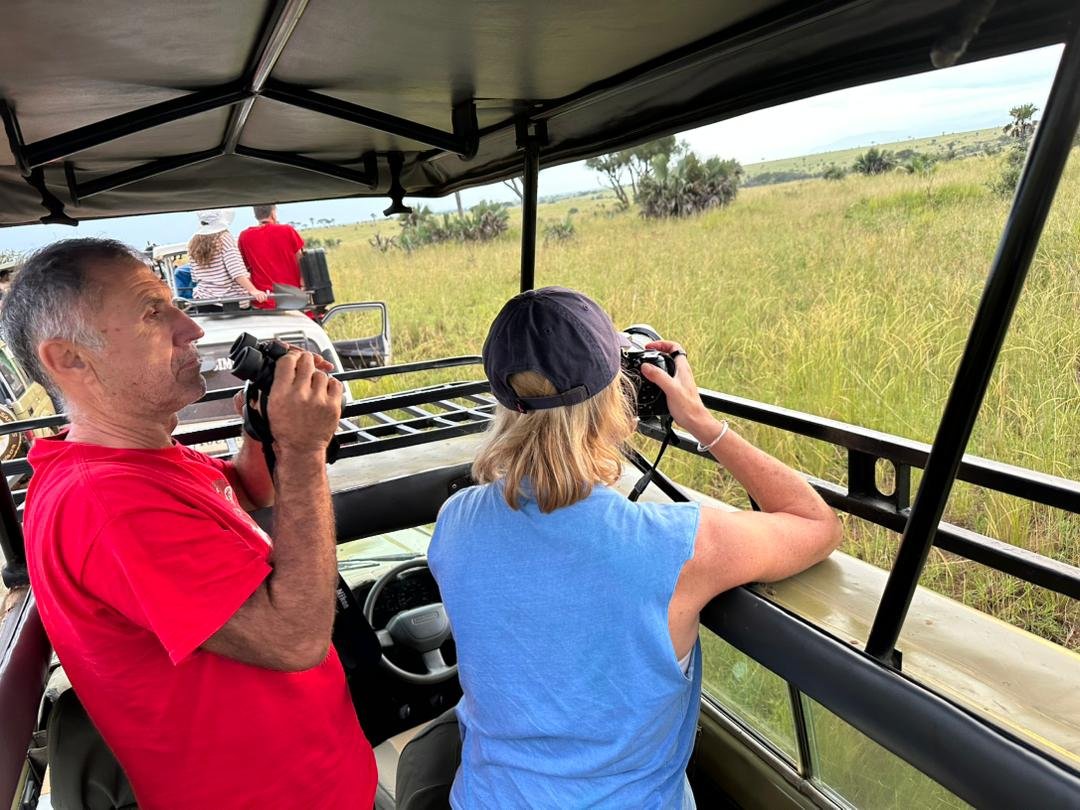
From historic riverside lodges to budget camps inside the park — nine of our most-booked properties, spanning every tier.
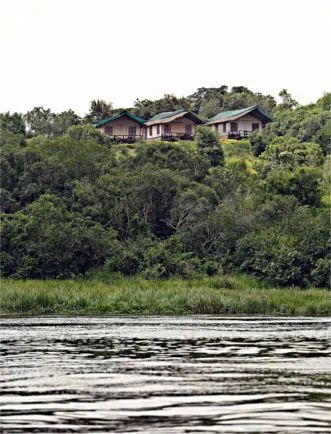
Murchison Falls' most historic property sits directly above the boat cruise jetty on the north bank — the shortest possible transfer to two of the park's headline activities. For travelers planning a luxury Murchison Falls safari, this remains the benchmark choice.
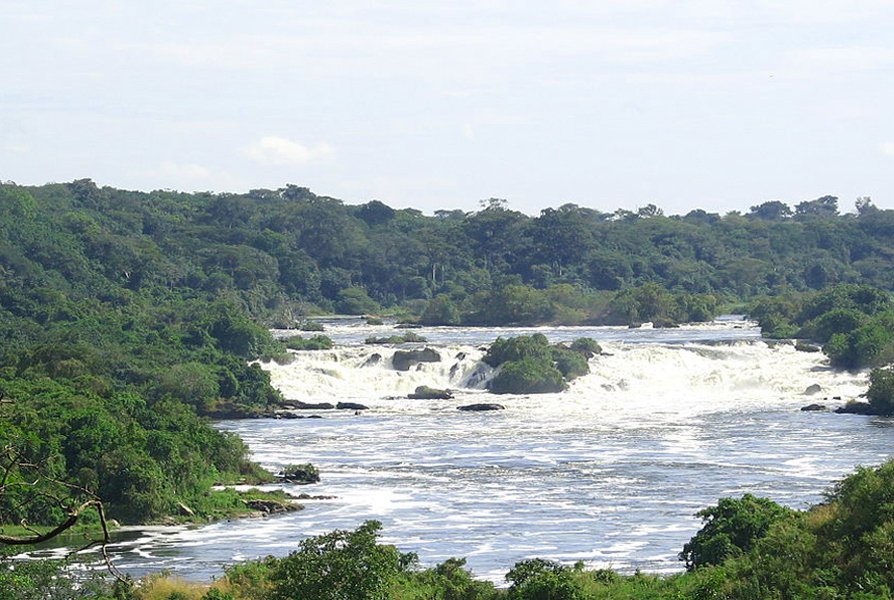
The largest luxury property in the park, near Karuma on the north bank, with the widest range of rooms of any Murchison Falls lodge. A strong choice for families and groups booking a Murchison Falls safari together.
A smaller, eco-focused property on the south bank near the Nile delta — solar power, local materials, and genuine privacy. A favorite for anyone building a safari in Uganda Murchison Falls itinerary around wildlife depth over luxury scale.
With genuine 1970s history and its own airstrip, Pakuba sits on the north bank closest of any mid-range property to the park's northern game tracks — a comfortable base for most Murchison Falls tours flying in directly.
Centrally located on the south bank, close enough to the top of the falls for an easy morning hike and under an hour from Budongo for chimp trekking — one of the best all-round bases for a Murchison Falls safari.
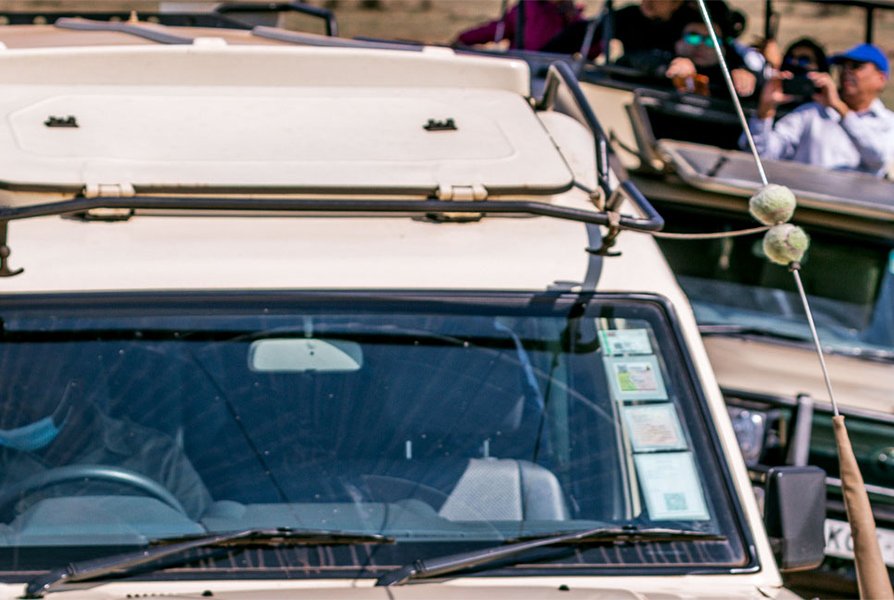
The main budget option genuinely located inside the park, at Paraa, 500 metres from the bridge crossing — camping, dorms, and simple bandas at a fraction of the cost of a lodge stay.
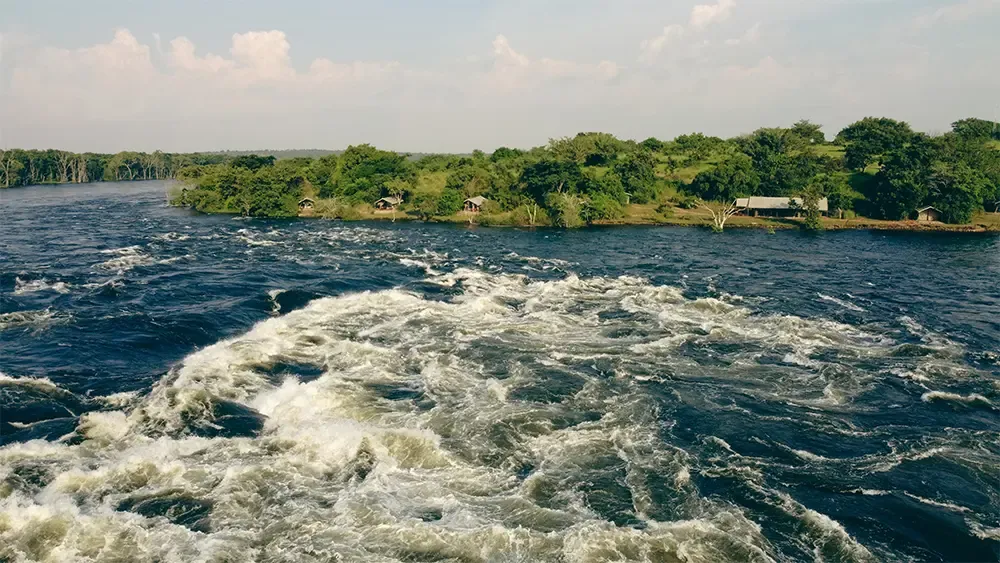
A 5-tent private concession camp on the riverbank, built for genuine exclusivity — strong lion sightings and a quieter, more personal alternative to the larger resort-style lodges for your Murchison Falls safari.
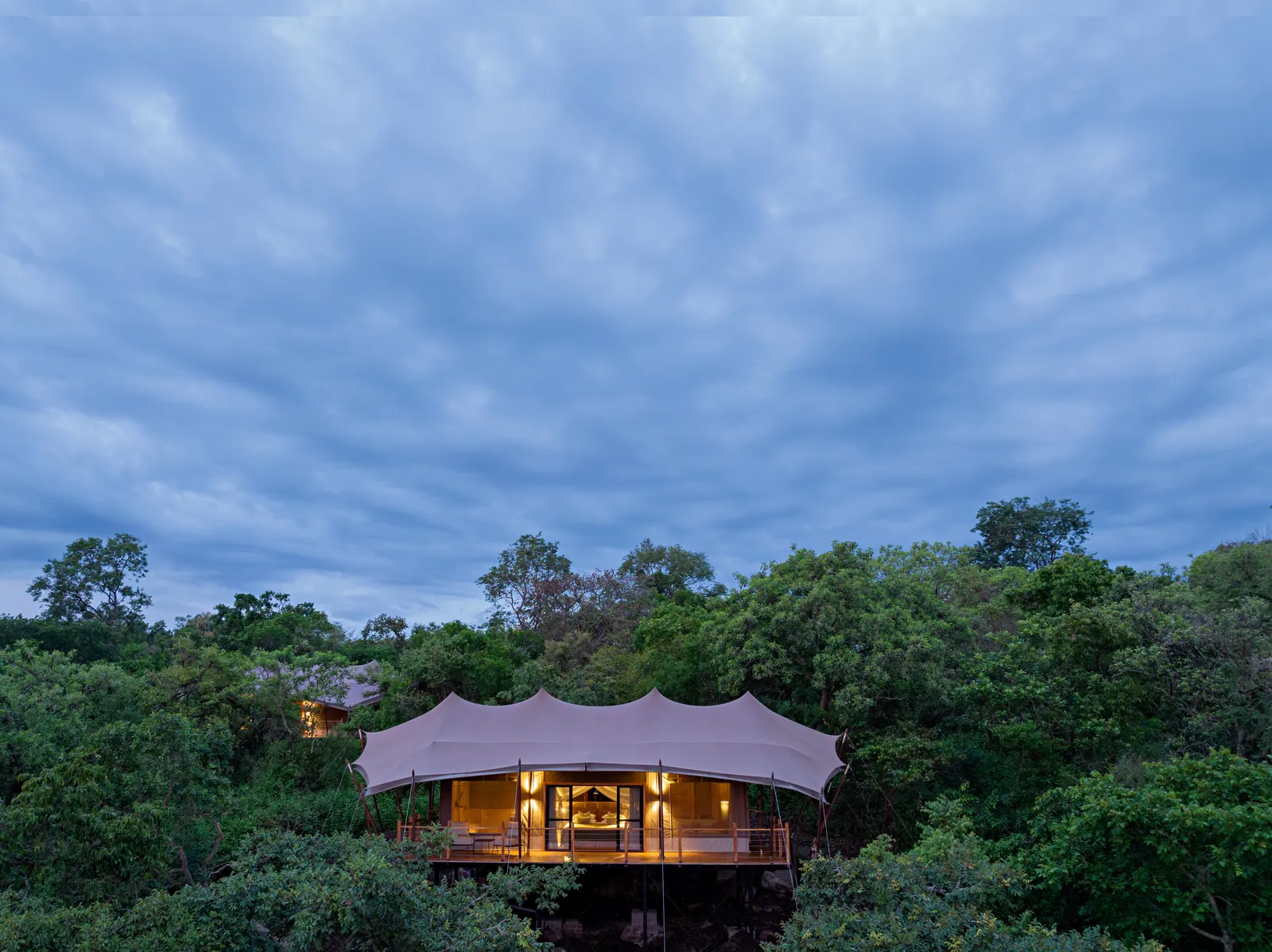
Elevated tented suites set into the Budongo forest canopy — a newer, design-forward property that pairs easily with chimpanzee trekking for travelers wanting forest immersion alongside their Murchison Falls tour.
Run by a cooperative of around 40 local women since 1999, funding school fees for children in the surrounding villages. Simple bandas, cooking demonstrations, and a village walk — for travelers who want their Murchison Falls safari spend to support the community directly.
Pricing depends mainly on accommodation standard, group size, and which activities you include.
Per person · camping or budget lodges, shared vehicles
Per person · comfortable en-suite lodges, private vehicle
Per person · premium riverside lodges, tailored guiding
Park fees, boat cruise fees, and chimp trekking permits are billed separately. See the full Safari Cost & Pricing Guide →
A Murchison Falls safari focuses specifically on Uganda's largest national park. A broader Uganda safari tour typically combines Murchison Falls with other destinations, such as gorilla trekking in Bwindi or Queen Elizabeth National Park — see all our combination options.
Two to three days covers the core experience. Four or more days lets you add chimpanzee trekking, rhino tracking, or a second park — compare all 9 itineraries here.
By road it's roughly 4–6 hours via Masindi. A bridge at Paraa now crosses the Nile where the old ferry once ran, making north-bank access faster than before. Charter flights from Entebbe/Kajjansi to Chobe, Pakuba, or Bugungu airstrips are also available — see the full Getting There guide.
They offer different experiences — Murchison Falls is stronger for the falls themselves and north-bank game density; Queen Elizabeth is known for tree-climbing lions. Many safaris combine both, like our 7-day Big Five Safari.
Lions, elephants, buffalo, Rothschild's giraffe, hippos, and Nile crocodiles are all regularly seen, alongside over 450 bird species including the rare shoebill stork. Leopards are present but more elusive. See the full Wildlife Guide.
Budget trips run roughly $900–$1,200 per person for a standard 3–4 day itinerary, mid-range $1,500–$2,500, and luxury from $3,000+. Park fees, boat cruise fees, and permits are usually billed separately — see our full cost guide.
Yes, unless you hold East African Community citizenship. Uganda requires an e-Visa applied for online in advance — there is no visa on arrival. A yellow fever vaccination certificate is also mandatory — see the full Visa & Entry Requirements guide.
Yes — this is one of our most popular combinations. See our 6-day flight-assisted itinerary or the 8-day road-based version for two ways to do it, or read more about gorilla trekking in Bwindi.
The dry seasons (December–February and June–September) offer the easiest wildlife viewing. The wetter months (March–May, October–November) bring fewer crowds, better birding, and the falls at their most powerful. See the full month-by-month guide.
Check our Health & Safety Update and your own government's current travel advisory before booking — we keep that page updated as conditions change.