Murchison Falls National Park Uganda – Murchison Falls Safaris – Murchison Falls Tours and Holiday Packages

Month: January 2025

  • How to get to Murchison Falls National Park
    How to get to Murchison Falls National Park

    How to get to Murchison Falls National Park

    Murchison falls National Park can be accessed both by road and air, depending on your budget and endurance for road drive safaris.

    By Air:

    There are several chartered flight companies that offer flights to and from Murchison Falls National Park. Flight to Murchison falls land at two major airstrips; Pakuba and Bugungu.

    By road:

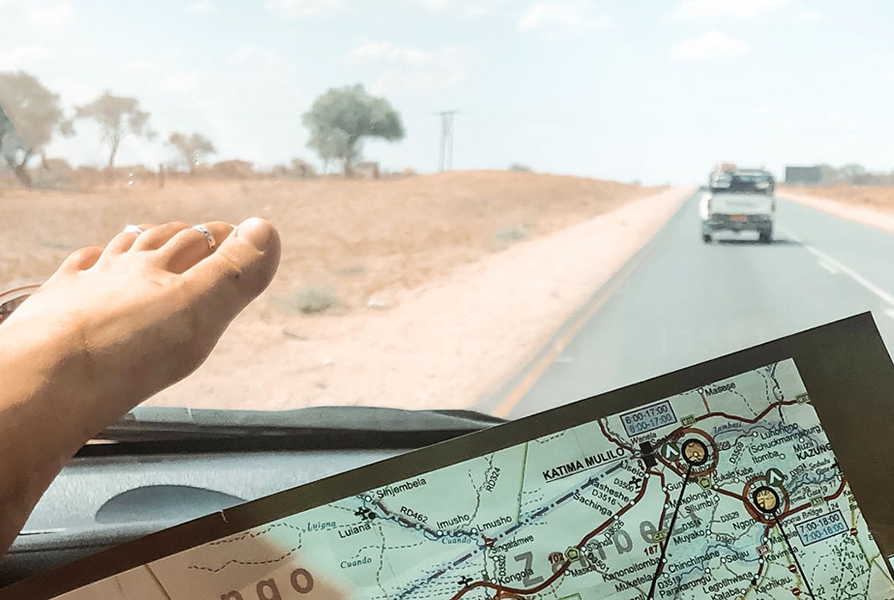
    Accessing the park main headquarters at Paraa which is in the southern bank of Victoria from Kampala is a 4 to 5 hour drive. From Kampala, you take the Hoima high way until Masindi town, at this point there is a choice of a direct route through the Kichunbumbanyobo Gate or the alternative longer but more scenic route which heads west lake Albert then enter the park via the western Bugungu Gate.

    A route trip would be best in case you are on a private safari, entering the park through one route then depart through the other to have a balanced experience of both routes.Both routes go through magnificent Budongo Forest.

    Ferry Crossing:

    A Ferry crosses the river at Paraa, crossing take just a few minutes and are scheduled  attest every two hours between 7am and 7pm. The ferry joins the southern and northern banks of Victoria Nile. Depending on your booked accommodation, you may have to make these crossing more than once a day. There is a bridge being constructed to connect the two banks to replace the use of a ferry, the bridge is set to be ready anytime.

    Alternative entry routes into the park via Northern gates, Tangi (reached from pakwach) and wankwar (from Purongo) are also viable options and perhaps the best options as game viewing beings as soon as you enter the park. This alternative route is also best for visitors on a northern circuit comprising of Murchison falls and Kidepo Valley Exploration. Not to forget the alternative Chobe gate near Karuma Gate off Gulu road.

  • Ziwa Rhino Sanctuary

    Ziwa Rhino Sanctuary

    Ziwa Rhino Sanctuary

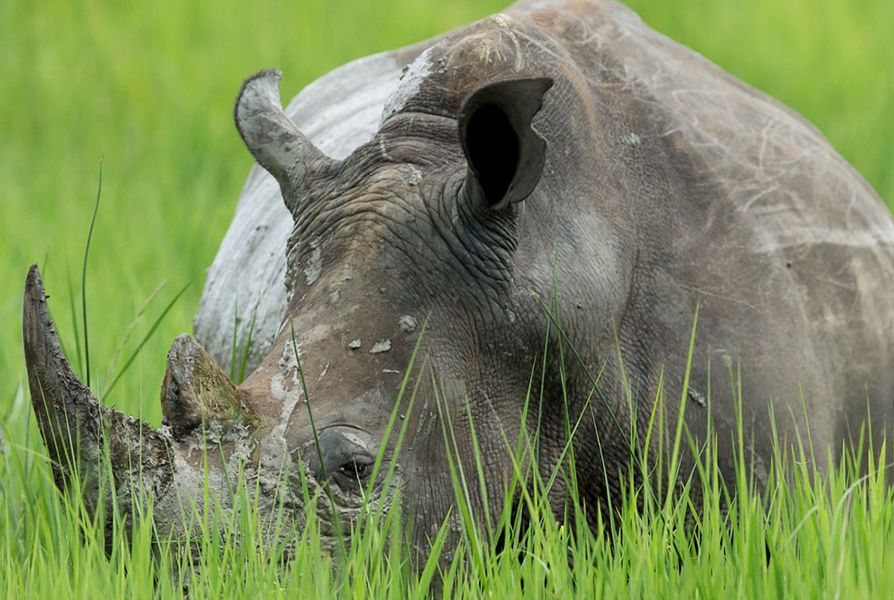
    The Ziwa Rhino Sanctuary is a 70 Square kilometer private non-profit animal sanctuary in Uganda located near Nakitoma Village in Nakasongola district within the Kafu River Basin. The sanctuary is situated north of Kampala about 180 kilometers (110 miles) by road off the Kampala – Gulu Highway.

    Rhinos are members of the Big 5 family that are indigenous to Uganda and had always existed within Uganda’s protected game parks in large herds. Sadly, due to an era of political insecurity, poaching and habitat destruction, the Rhino population had been completely depleted by 1982. There wasn’t a single Rhino; black or White to be found in Uganda.

    Heeding to the need to re-introduce and save Rhino populations in Uganda, the Uganda wildlife Authority together with the Rhino Fund Uganda and Ziwa Ranchers Limited took it upon them to start the Ziwa Rhino Sanctuary in 2005 to create a safe place for Rhinos to flourish before introducing them back to Uganda’s national parks.

    They started off with four Rhinos that they had purchased from the Solio Ranch in Kenya and two individuals that had been donated by the Disney’s Animal Kingdom in Orlando. By 2018, there were about 22 Rhinos in the sanctuary. Presently, there are 78 park rangers keeping an eye on the Rhino population and an electric fence to protect the animals from poachers.

    Ziwa Rhino Sanctuary is the only place in Uganda where you can see Rhinos in the wild; both black and white. However, the sanctuary has about 300 bird species and other animals like Monkeys, Antelopes, Hippos and crocodiles among others. Safari activities at the sanctuary include canoeing, on foot Rhino tracking, birding and nature walks.

  • Murchison Falls Fishing Safari

    Murchison Falls Fishing Safari

    Murchison Falls Fishing Safari

    River Nile crosses through Murchison Falls National Park as the Victoria Nile creating the Murchison Falls before it continues north flowing into Lake Albert; becoming the Albert Nile. Owing to the fact that it flows direct from Lake Victoria and connects to Lake Albert, it carries with it fish species from both Lakes thus making fishing a possibility in the park.

    Fishing safaris are mostly regarded as “Sport Fishing” adventures as it is mainly for sport and fun but not for commercial or any other use. Tourists come here to exercise their fishing skills and also spend a great time with family and friends while all the while making an attempt at catching some of the largest fish species in Uganda.

    Where to have a Murchison Falls fishing safari 

    Sport Fishing in Murchison Falls National Park is carried out at two spots; below the Murchison Falls near the devil’s Cauldron and below the Karuma Falls. Currently, the most used spot is at the base of the Murchison Falls where people catch the fish from the comfort of their boats downstream or by the rocks at the banks of the river; especially for anglers. 

    The fishing spots in the park are very accessible for adventurers embarking on a fishing safari. The fishing spot at Paara below the Murchison falls can be accessed using a boat along the river or by a 45 minute hike down from the top of the waterfall. For anglers at the banks of the river, caution is recommended because hippos and Crocodiles love to hang out around there.

    How the fish is caught

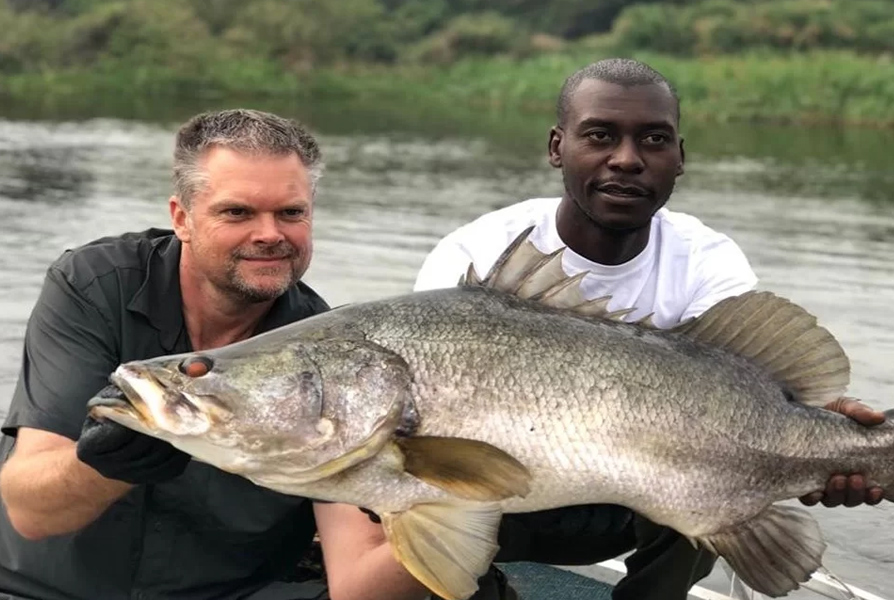
    There are three main fishing methods used on Uganda safari Murchison Falls National Park such as; casting lures for large fish species like the Nile Perch and spinning and live baits to catch smaller fish like the Tiger fish. Live bait used includes; worms and termites.  It is worth noting that fish isn’t killed and should be returned after being caught into the river alive.

    Types of fish to expect

    When on a Murchison Falls fishing safari expect to catch some interesting fish species spawning right from Lake Victoria such as Nile Perch, cichlids, Catfish and Tiger fish. There is a very high possibility of catching enormous Nile Perch; in fact a record was set after some travelers were able to catch a Nile Perch that weighed 113 kilograms.

    When to go

    The trick to enjoying Murchison Falls fishing safari is choosing the right time to visit the park. This should be during the months of January to early April when the dry season is on and the rainy season is just kicking in. At this time, the water levels are low and the streams are clearer thus making the fish more accessible and easier to catch.

    What you will need

    Before arriving for Uganda Safari Murchison Falls National Park to enjoy a fishing adventure, ensure that you have the following things with you as they will go a long way to make your safari smooth.

    • Anglers should carry with them rods between 8 and 11 ft with a multiplier reel. 7ft rods are suitable for catching smaller fish.
    • Sun screen
    • Long socks, trousers and long sleeved shirts to protect from tsetse flies
    • Skilled and professional fishing guides
  • Murchison Falls Chimpanzee Tracking

    Murchison Falls Chimpanzee Tracking

    Murchison Falls Chimpanzee Tracking

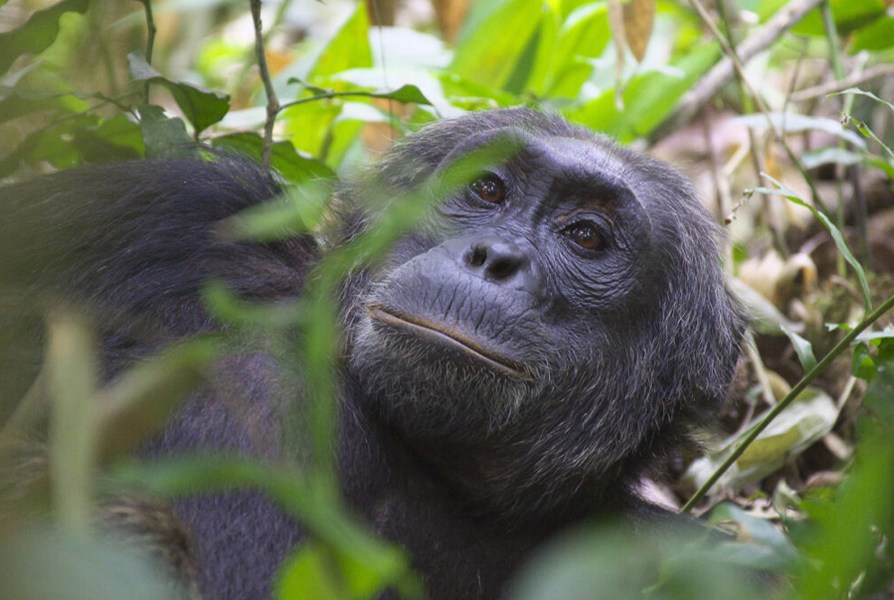
    Budongo Forest is the major base for tracking Chimpanzees in Murchison Falls National Park. It covers an area of 825 square kilometers within the MFCA. Chimpanzee tracking in the forest is handled at the Kaniyo Pabidi and Busingiro eco tourism sites under the Jane Goodall Institute. Other forests within the conservation area for Murchison Falls Chimpanzee tracking are Kaniyo Pabidi and Rabongo forests

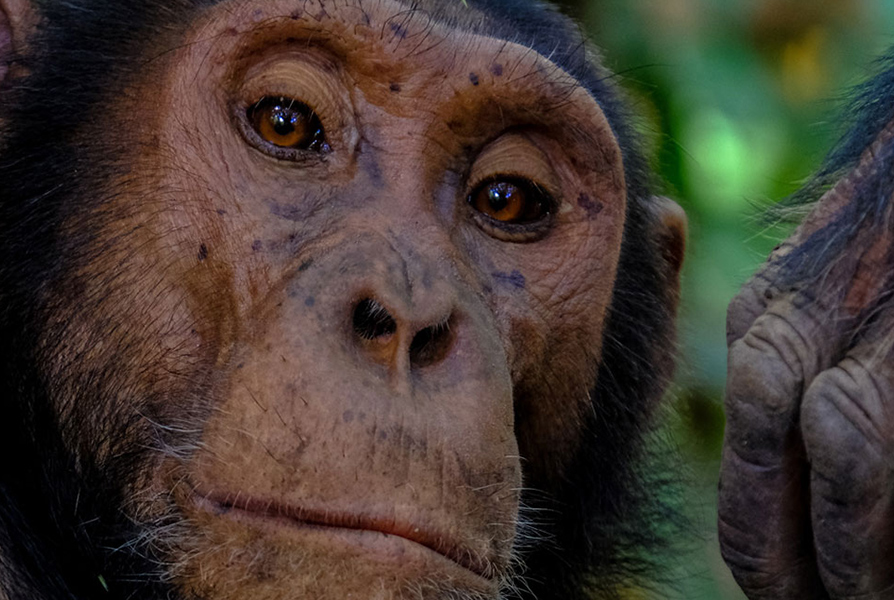
    It would be a cold early morning or late afternoon (depending on the visitor’s preference) for travelers embarking on a Uganda safari Murchison falls National Park to track Chimpanzees in the wild. There are about 76 mammal species within the park and out of these; over 600 chimps exist within the riparian forests and woodland of Budongo, kaniyo Pabidi and Rabongo.

    When to go

    The morning Murchison Falls chimpanzee tracking adventures are perfect for catching the primates off guard, leaving their nests for the day to gather fruit and go about their day to day activities. Trackers, in a group of eight individuals per shift, would first attend a briefing about how they ought to behave in the presence of the Chimpanzees and what regulations they ought to observe.

    Led by a UWA guide, the group emerges from the tourism center making their way through enormous Mahogany and iron wood trees until they come to where the chimps have been holding up for the previous night. Budongo forest along with Kaniyo Pabidi and Rabongo form the world’s largest collection of East African Mahogany. You might even see a large Mahogany 20m wide and 80m tall in Budongo.

    What to expect

    Once you have come within close proximity with the Chimpanzees, you will be required to remain vigilant as these lively primates tend to swing from tree to tree and might be gone before you take your picture. Camera lenses are always turned off and sudden movements are ill advised. After your Murchison Falls Chimpanzee tracking, you can head back to the tourism center to close the day.

    A Uganda safari Murchison Falls National Park to track Chimpanzees in the wild is best done from the months of October to January where the rains are light and the fruits in the forest are ripe and we know where there are ripe fruits, there will be Chimpanzees. A Chimpanzee tracking permit costs USD $85 and it comes with bonus bird watching and nature walk safaris.

    Owing to the fact that the park has 76 mammal species and there are about 24 species in Budongo alone, you should definitely expect to see a variety of animals when Murchison Falls Chimpanzee tracking, apart from just the Chimpanzees. You might come across animals like Olive Baboons, White and black Colobus monkeys, red tailed monkeys and blue monkeys among others.

    The forests also provide memorable birding opportunities with sightings of rare birds like Puvel’s Illadopsis that you will not see anywhere else in Uganda. Other birds include; Crested Guinea fowl, Chocolate backed kingfisher, Crowned Eagle, African Pied wagtail, White thighed hornbill, Black Kite, Fork tailed drongo and Olive breasted greenbul among many other birds.

    Chimpanzee habituation

    Chimpanzee habituation on the other hand is less common and irregular for Uganda safari Murchison Falls National Park. The activity is undertaken during the low seasons for safari and permit costs are often higher than those for Chimpanzee tracking. Chimpanzee habituation is mainly about spending a day with the chimps from when they leave their nests in the morning to when they retire for the night.

    It is imperative to take heed of the rules governing Murchison Falls Chimpanzee tracking such as; trackers should be 15 years and older hence all persons below the age limit will be prohibited from attending the experience. In fact, where suspicion arises you might be required to present birth verification details to prove that the teenager is 15 years and older.

    Also, only eight people per session are issued permits thus making it a total of 16 people per day therefore; you would need to book for your permit prior to your safari to avoid any inconveniences and disappointments. In addition, permit prices change whereby they are higher during peak seasons and lower during low seasons. Low season permits might even come with bonuses and discounts. 

  • Budongo Forest

    Budongo Forest

    Budongo Forest

    Budongo Forest is a protected natural forest reserve located amidst ancient Albertine rift valley rocks at the heart of an escarpment north east of Lake Albert. It is an 825 square kilometer expanse of semi deciduous forest near Masindi town, abounding in woodland and savannah vegetation along the road to Uganda safari in Murchison Falls National Park.

    Within the gently rolling plains of the East African Rift in the western region of Uganda, Budongo forest has over the years, become the hub for research into a unique type of vegetation entailing iron wood that is quite rare to come across. In fact, the forest is a major part of attractions in Uganda safari Murchison falls; receiving tourists from all over the world.

    Furthermore, Budongo forest has continued to receive much attention and credit for being the largest collection of and refuge for East African Mahogany trees in the whole of East Africa. Moreover, to date, there is still a massive Mahogany tree; over 80 meters tall and 20 meters wide at the heart of this moist, medium altitude forest; about 1,100m above sea level.  

    Owing to the fact that Budongo forest is located within the depths of the Great Rift Valley, it receives ample rainfall ranging from 1,200 to 2,200mm annually and this has greatly boosted its ecological output in that four major streams originate from its heart, that is; Kamirambwa, Sonso, Siba and Waisoke, pouring into Lake Albert.

    Budongo forest is blessed with more than 360 bird species, 465 trees, 130 months, 290 butterflies and 24 mammals; of which 9 are primate species with the most popular being Chimpanzees. The forest is a top Murchison Falls Chimpanzee Tracking destination since it is home to a reasonable population of chimpanzees.

    Tourists often follow designated trails when Murchison Falls Chimpanzee tracking throughout October to January to track down the chimps. Apart from Chimpanzee tracking, Budongo forest is equally famous for unique birding opportunities in the royal mile with specials like the Yellow footed Flycatcher, illadopsis puveli and other Guinea Congo forest Biome.

  • Murchison Falls

    Murchison Falls

    Murchison Falls

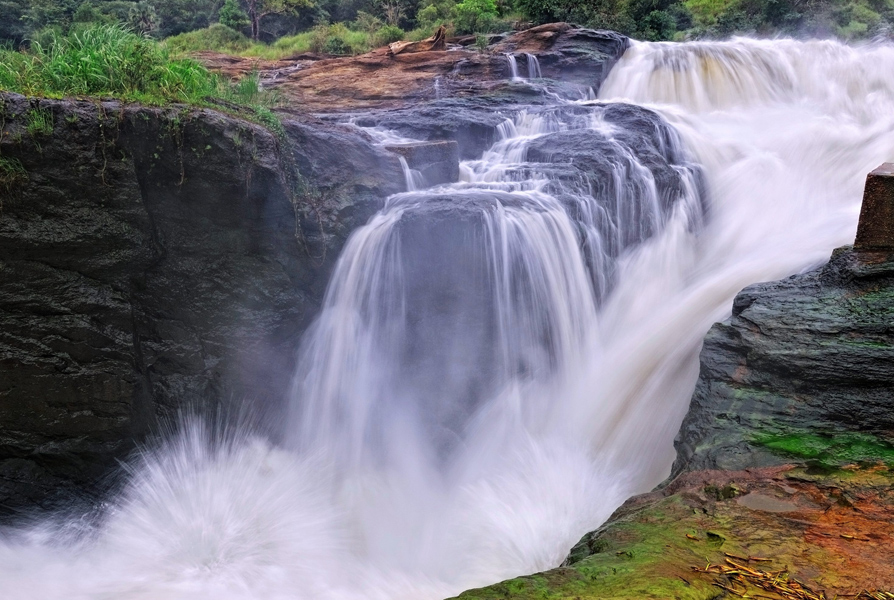
    One of the many wonders of Uganda is the Murchison Falls, locally known as the Kabalega falls; located in Murchison Falls National Park in the western region of Uganda. The waterfall occurs on the Victoria Nile, a section of the River Nile that flows directly from Lake Victoria, the largest tropical fresh water lake in the world.

    The Murchison falls are strategically nestled within layers of rock between Lake Kyoga and Lake Albert feeding off hundreds of cubic meters of water escaping from the massive Lake Victoria.

    This waterfall was first discovered by Europeans Samuel and Florence Baker upon their safari expeditions and named it after Roderick Murchison of the Royal geographical society.

    Upon a Uganda safari in Murchison Falls National Park, a hike to the top of the waterfall is the highlight of this nature adventure. You will realize that the Murchison falls were merely formed as a result of large bouts of water, about 300 cubic meters, from Lake Victoria ravaging through a 7 meter gap in the rock bed and falling 43 meters into the cauldron below.

    The workings of nature at the top of the waterfall is quite a sight to behold; no wonder the Murchison Falls National park was named after this natural wonder. The top of Murchison falls is surrounded by huge chunks of rock, violent surges of water and moist evergreen riverine forest where bird life is abounding.

    From the shore of the Victoria Nile, one can plot a course to the base of Murchison Falls on a boat adventure in Uganda safari Murchison Falls National Park. You can hear the waterfall roar from a distance as falling water collides with rocks forming a hazy mist and colorful rainbow. On this voyage expect to see some crocodiles, hippos, buffaloes and kudu.

  • Murchison Falls National Park Game Drives

    Murchison Falls National Park Game Drives

    Game viewing or game drives in Murchison Falls National Park

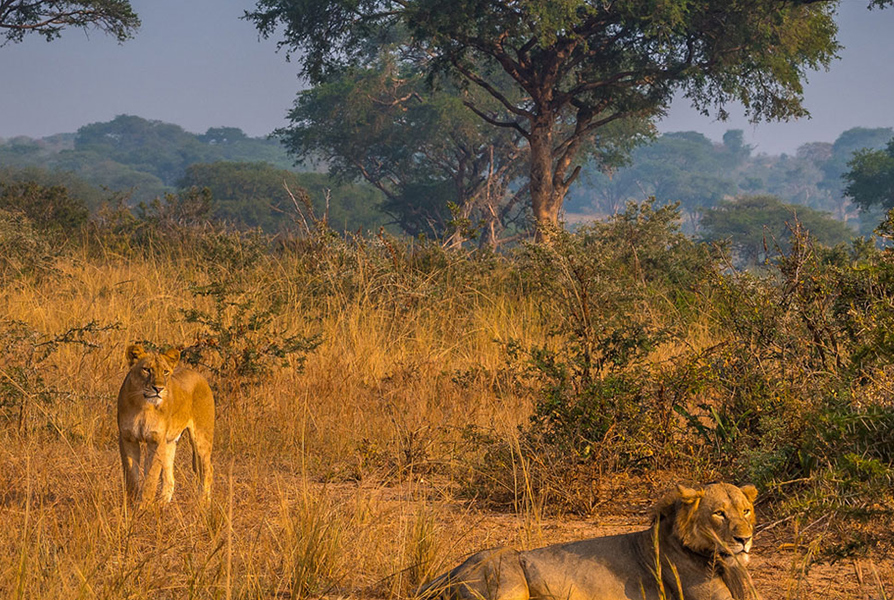
    Are you planning a Uganda safari in Murchison Falls National Park to view all the wildlife in the varied landscape of the park; then you are on the right track. There are about 76 mammal species within the boundaries of Murchison Falls National Park including four members of the Big 5 such as Lions, Elephants, Buffalos and Leopards with the exception of Rhinos.

    After driving for about five to six hours from Kampala City, you will find yourself standing before a gate leading to a discovery of wildlife in this safari arena in the northern region of Uganda. Game viewing is enjoyed following a detailed plan of game tracks through savannah plains, riparian forest and along the banks of the Nile with predator sightings.

    How game drives are conducted

    Game drives for Uganda safari Murchison Falls National Park are mainly conducted in two shifts; early morning game drives and late afternoon game drives. Each game drive session takes between 2 to 4 hours and maximum 5 hours. Morning game drives kick off at 6.30am and are great for catching animals leaving their nests and heading out to find food. 

    Late afternoon game drives on the other hand start at 4.00pm and can run to 7 or 8.00pm. These game drives are meant to lend you a glimpse into nocturnal animal life and how animals set up nests for the night. In the late afternoon after animals have endured extreme heat, you might be lucky to find them in a struggle with crocodiles at the water’s edge. 

    Areas for game viewing

    Game drives for Uganda safari in Murchison Falls National Park are mainly done within two areas; that is to say Paraa and Buligi Game Area. Each area offers unique animal sightings and a touch of distinction when it comes to clarity in views and abundance of wildlife. However, both areas promise great animal sightings and elusive landscape vistas.

    The Paraa region stretches inland from the banks of the Victoria Nile and it can be reached using the southern gate of the park via Masindi or by crossing the Nile on a ferry if one is approaching the park from the north. The name “Paraa” was adapted from a luo word that means Place of Hippo’s; this is especially true as you will see many of these along the shallow ends of the river.

    Buligi Game Area or Buligi Game Reserve is a 160 kilometer stretch of safari land located between the Victoria Nile and the Albert Nile within the MFCA. It lies along the northern banks of the Nile; west of Paraa region all the way to the Albert delta; offering breathtaking views of the Rift Valley, Lake Albert and the free-flowing hills of Congo.

    Game tracks and what animals to expect

    There are three main game tracks followed when on a game drive in Murchison Falls National Park and these are Albert game track, the Victoria game track and the Buligi game track. Each game track offers a unique perspective to game viewing as a drive through the savannah plains will introduce you to herds of animals grazing and perhaps even resting.

    Within the savannah plains expect to see more of animals like Waterbuck, Bushbuck, Rothschild’s giraffes, serval cats, Lions, Jackals and Uganda Kobs. Within the woodland animals like Elephants, Leopards, Olive baboons, Hyenas, Buffalos, red tailed monkeys, blue monkeys, Chimpanzees, black and white colobus monkeys are more abounding.

    Along the river banks and soggy wetlands you can enjoy sightings of mammals like Hippos, Kudu, Warthogs, Crocodiles, monitor lizards and many others. It is also where you can catch some action between non suspecting animals that come to drink from the river yet their predators are hiding under the water to grab them should chance arise.

    When to go

    Seeing as Uganda has fair weather all year round, we would say game viewing can be done anytime of the year. However, there are specific months where the safari would be affected; for example, in the rainy months of March to May and August to September. Other dry months and fairly rainy months should be okay for you to view game for Uganda safari Murchison Falls National Park.